Ingredients · Flour
How flour changes your sourdough
Flour is not just the thing holding the water. It shapes fermentation, strength, flavor, color, and crumb—and a small change in your blend can make a loaf feel surprisingly new.
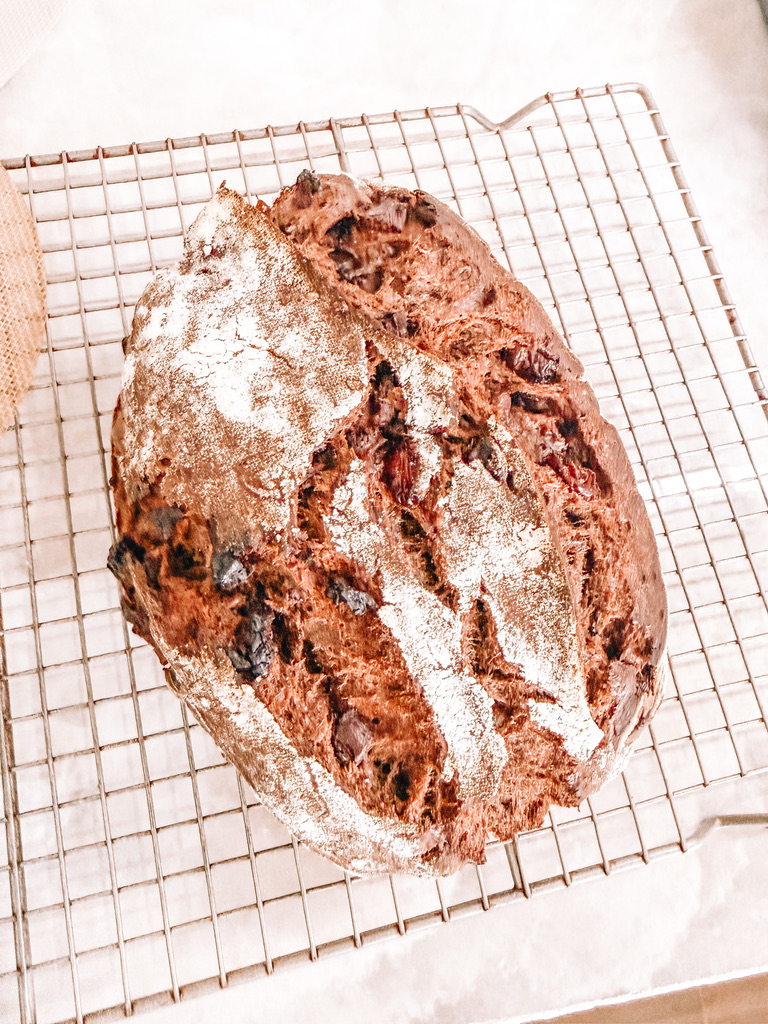
All-purpose flour: the dependable baseline
A good unbleached all-purpose flour can make excellent sourdough. It usually produces a dough that is extensible without becoming excessively strong, with a mild wheat flavor and a tender crumb. It is a sensible place to begin because it lets you focus on fermentation and handling before adding more variables.
“All-purpose” is not identical from one country or brand to another. Protein content and milling vary, so pay attention to how your own flour behaves instead of assuming a recipe photograph is a contractual obligation.
Bread flour: a little more scaffolding
Bread flour usually has more protein than all-purpose flour. With enough water and development, that protein helps create a stronger gluten network—the scaffolding that traps fermentation gases and supports height.
This can be helpful for wetter doughs, large inclusions, or a loaf that keeps spreading. But stronger is not always better. Too much strength can make dough resistant to stretching or produce a chewier crumb than you want. A blend of bread and all-purpose flour is often a comfortable middle ground.
Whole wheat: more of the grain, more personality
Whole wheat retains the bran and germ removed from refined white flour. It contributes deeper flavor, a darker crumb, and more nutritional variety. It also tends to absorb more water. Bran particles can interfere with a continuous gluten network, so a loaf with substantial whole wheat may be less lofty and more even-crumbed than a white loaf.
Whole grain also brings minerals and microorganisms that can encourage fermentation. Your dough may move faster after you increase the whole wheat percentage. The clock does not get a vote; watch the dough.
Rye: small percentage, noticeable effect
Rye brings earthy flavor, aroma, and a lovely depth that can be obvious even at 5% or 10% of the flour blend. It is especially hospitable to sourdough culture, which is why bakers often use whole rye to energize a starter.
Rye does not build a wheat-like gluten network. As the percentage rises, the dough may feel stickier and less elastic, fermentation may seem more active, and the crumb may become closer and moister. That is not rye doing sourdough incorrectly. It is rye being rye.
Beginner-friendly blends
Mild flavor and straightforward handling. Useful for learning what fermentation feels like.
More strength without turning the dough into a wrestling match.
Deeper flavor and fermentation activity while staying approachable.
Heartier flavor and crumb; expect the dough to ask for attention—and possibly more water.
These are experiment ideas, not universal formulas. Flour absorption differs, so hold back a little water when trying an unfamiliar blend and add it if the dough needs it.
What to adjust when you change flour
- Water: Whole-grain flour often absorbs more, but add water gradually until you know the flour.
- Fermentation: Whole wheat and rye can speed things up, so check the dough earlier.
- Strength: More bread flour may need more water; more rye will not respond to extra folding like wheat.
- Expectations: A deeply flavorful whole-grain loaf may have a closer crumb and less dramatic ear. That is a style, not a defect.
Further reading
King Arthur Baking’s resources discuss how flour choice affects open crumb, how a modest amount of whole wheat or rye changes flavor and fermentation, and why whole-grain flour is useful in a starter.