Beginner sourdough guides
Learn sourdough one question at a time.
Twelve practical guides to starter care, dough, fermentation, proofing, and the tools that help. Start with the question in front of you, change one thing, and let the dough teach you the rest.
A note for new bakers
You do not need to master fermentation science before making good bread. Start with a dependable formula, pay attention to what your dough looks and feels like, and keep notes. A loaf that comes out a little squat is not a failed experiment. It is still bread—and it usually has something useful to tell you.
Browse by question or topic
Find the answer you need
Search by a question or browse by topic. Try “discard,” “open crumb,” “rye,” or “coil folds.”
Keep it alive
Starter care & culture
Feed, store, revive, and—because sourdough should retain some dignity—name your starter.
What should you name your sourdough starter?
A very serious guide to an unserious decision: starter-naming tradition, excellent bread puns, and why Bready Mercury remains hard to beat.
Read the guideHow to feed and care for your sourdough starter
Feeding schedules, refrigerator maintenance, the actual reason for discard, revival cues, and why thick starter does not belong in your drain.
Read the guideWhat can you actually do with sourdough discard?
Learn when discard is safe to save, how to store it, what it contributes to a recipe, and why savory scones are an excellent answer.
Read the guideStarter from scratch: flour, water, and patience
Build a starter from flour and water with a realistic feeding schedule, readiness cues, troubleshooting, and smarter ways to use an AI coach.
Read the guideUnderstand the ingredients
Formula, flour & dough structure
Learn how baker’s percentages, water, flour, and gluten shape the dough before fermentation begins.
Baker’s percentages without the headache
Learn why flour is always 100%, what the other numbers mean, and how a little math gives you far more freedom in the kitchen.
Read the guideHydration: what the number can—and cannot—tell you
Understand how water changes dough feel, handling, crumb, and structure without treating higher hydration as a merit badge.
Read the guideHow flour changes your sourdough
A beginner’s guide to all-purpose, bread, whole wheat, and rye flour—and what happens when you blend them.
Read the guideWhat is gluten—and why does sourdough need it?
Meet the stretchy protein network that holds fermentation gas, supports a loaf, and changes throughout the sourdough process.
Read the guideWork with the dough
Folding, proofing & crumb
Build strength, make better timing decisions, and understand the choices that shape the finished crumb.
Stretch & fold or coil fold?
Learn how both techniques build strength, when each is most useful, and how to tell when your dough has had enough.
Read the guideCold proof or counter proof?
Compare timing, flavor, scoring, and fermentation so you can choose the final proof that works for your loaf and schedule.
Read the guideHow to make your crumb “Instagram open”
The real roles of fermentation, flour, hydration, handling, and proofing in creating that wildly photogenic open crumb.
Read the guideSet up your kitchen
Tools worth having
Separate the true sourdough necessities from the genuinely useful upgrades and the gadgets that can wait.
What tools do you actually need for sourdough?
The necessities, the genuinely useful upgrades, and the specialized bread gadgets you can happily ignore until you want them.
Read the guideFrom our kitchen
Real loaves, real experiments
Every loaf has its own personality. These are a few of our bakes—the lofty ones, the practical ones, and the ones that taught us something worth writing down.
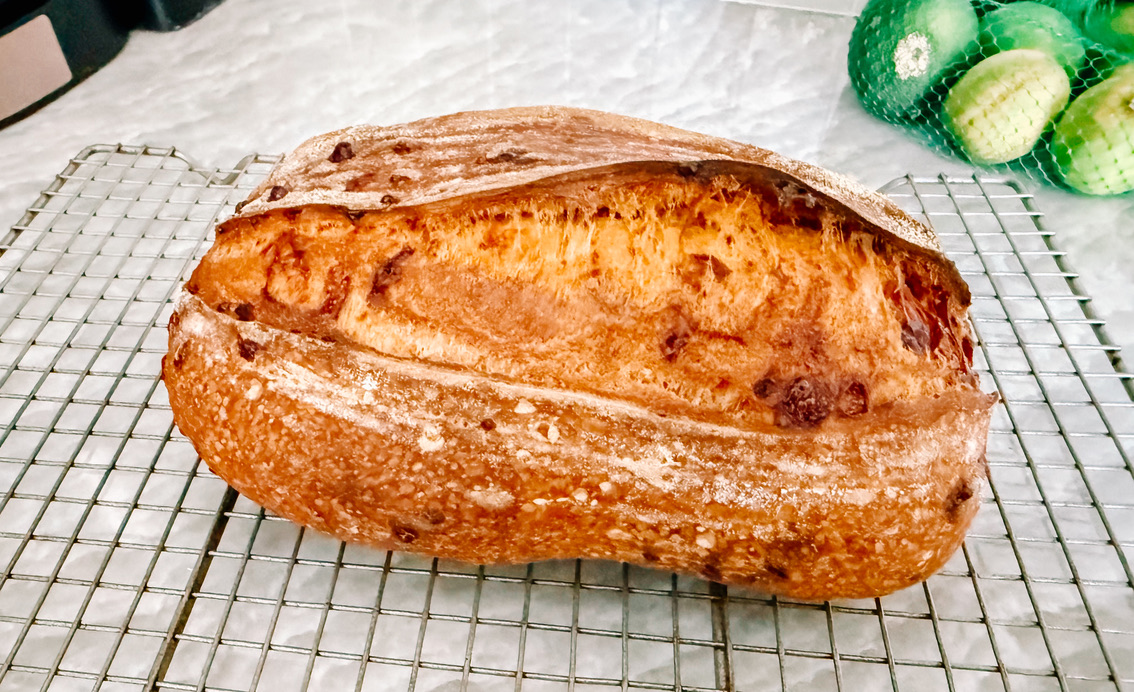
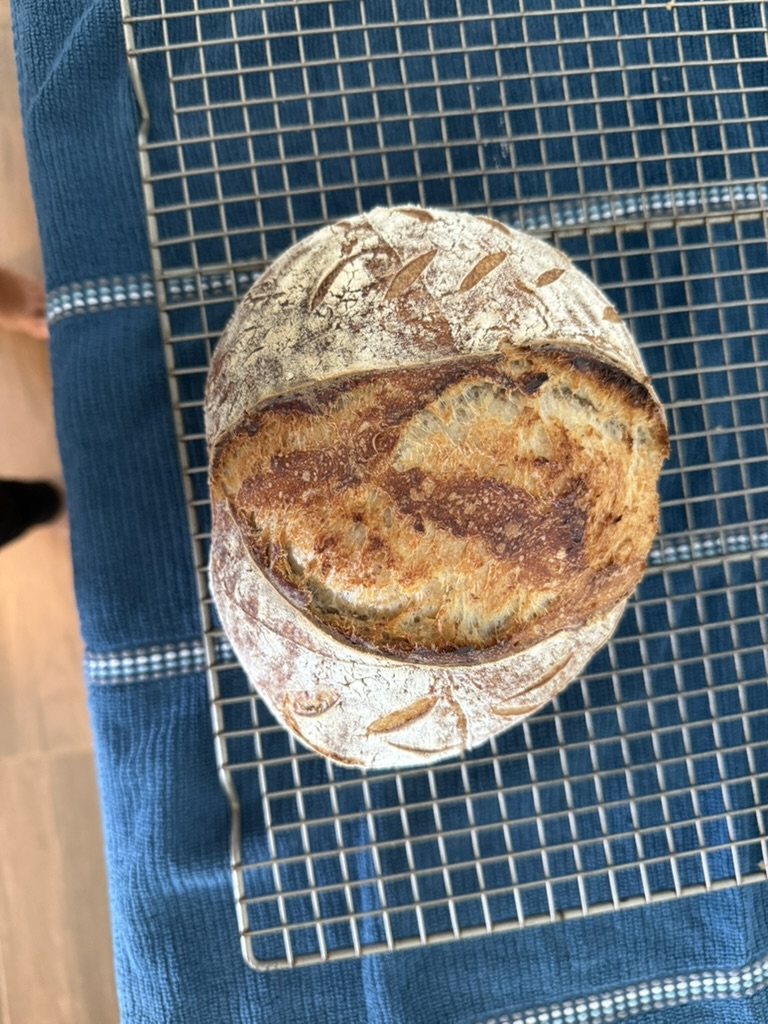
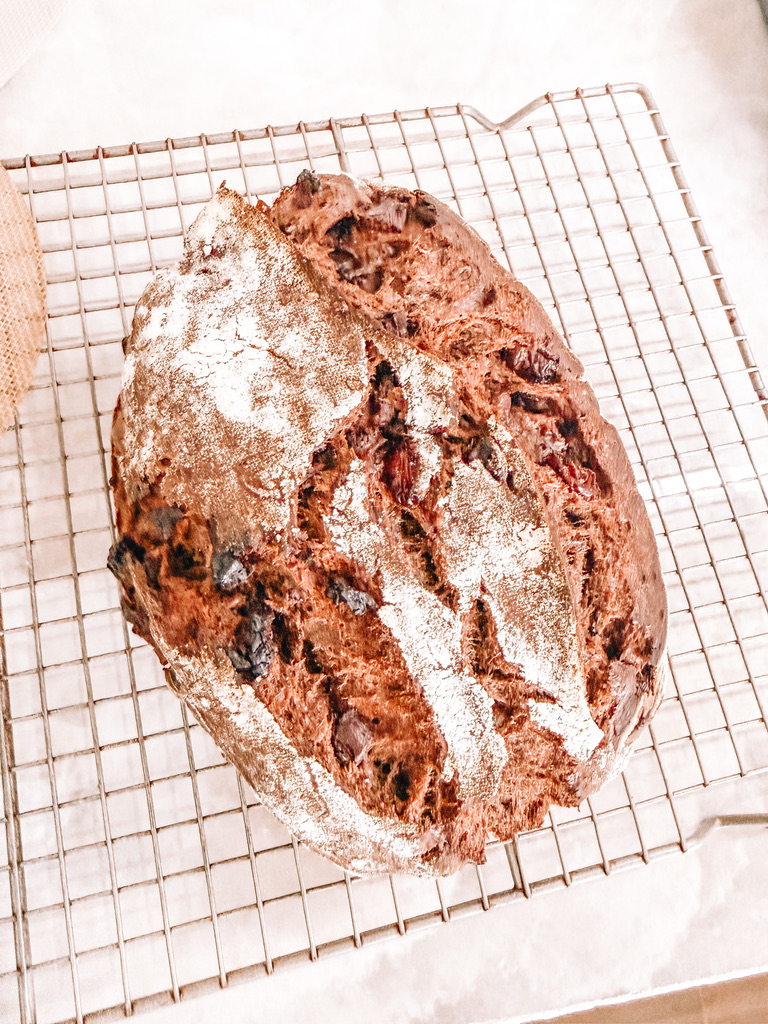
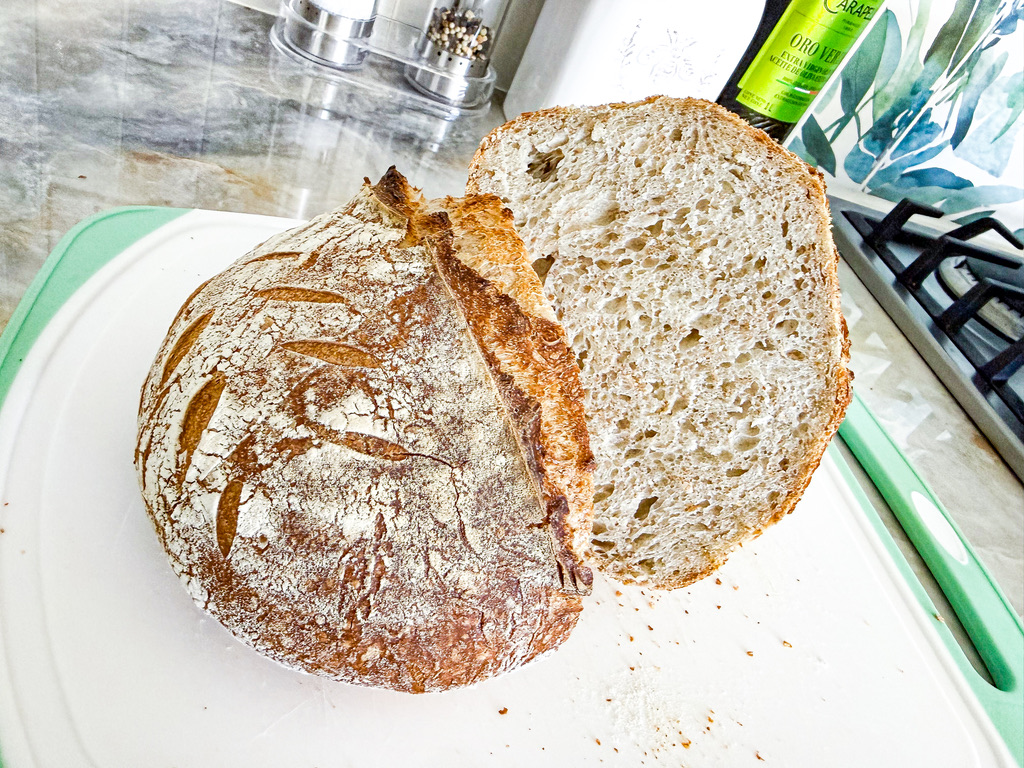
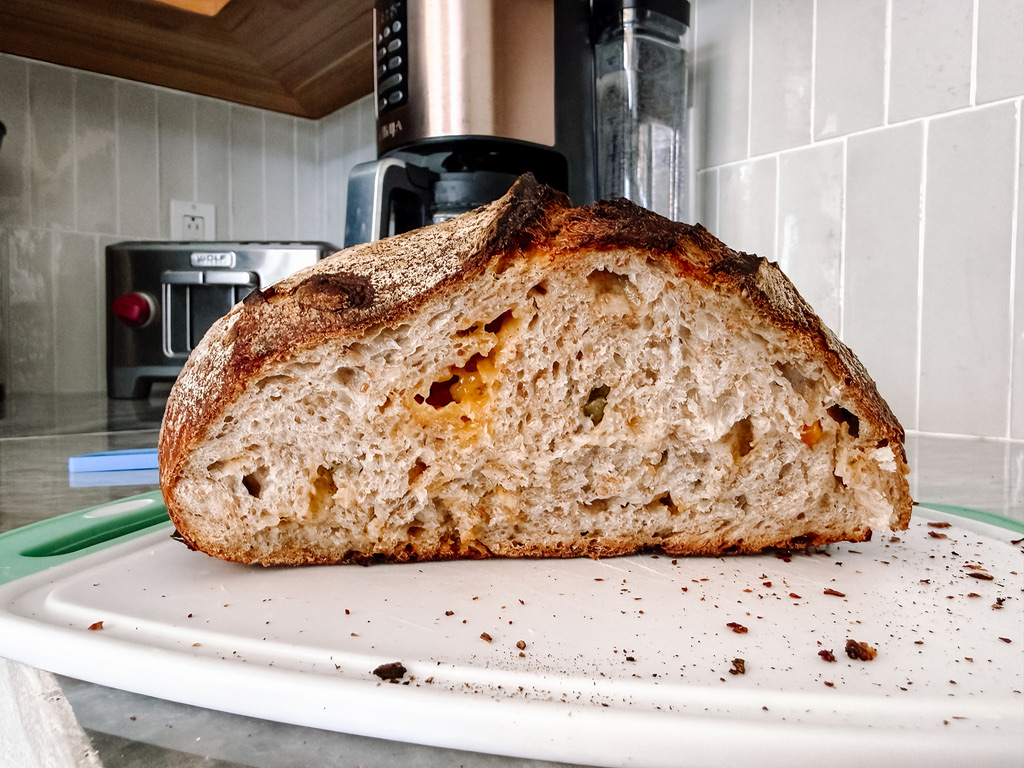
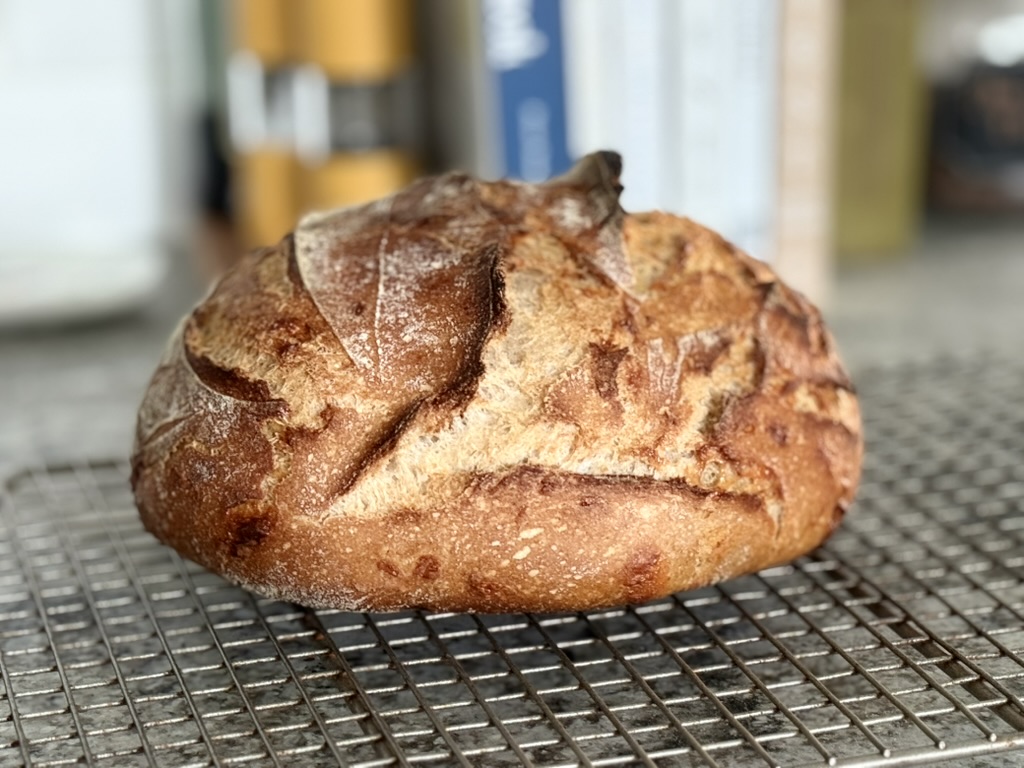
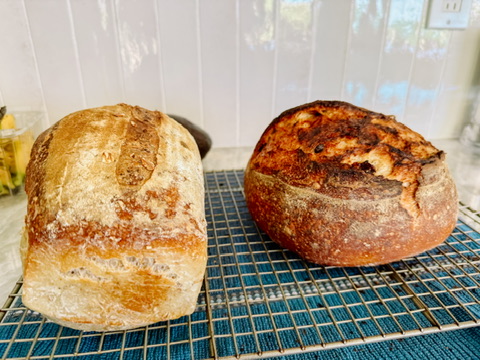
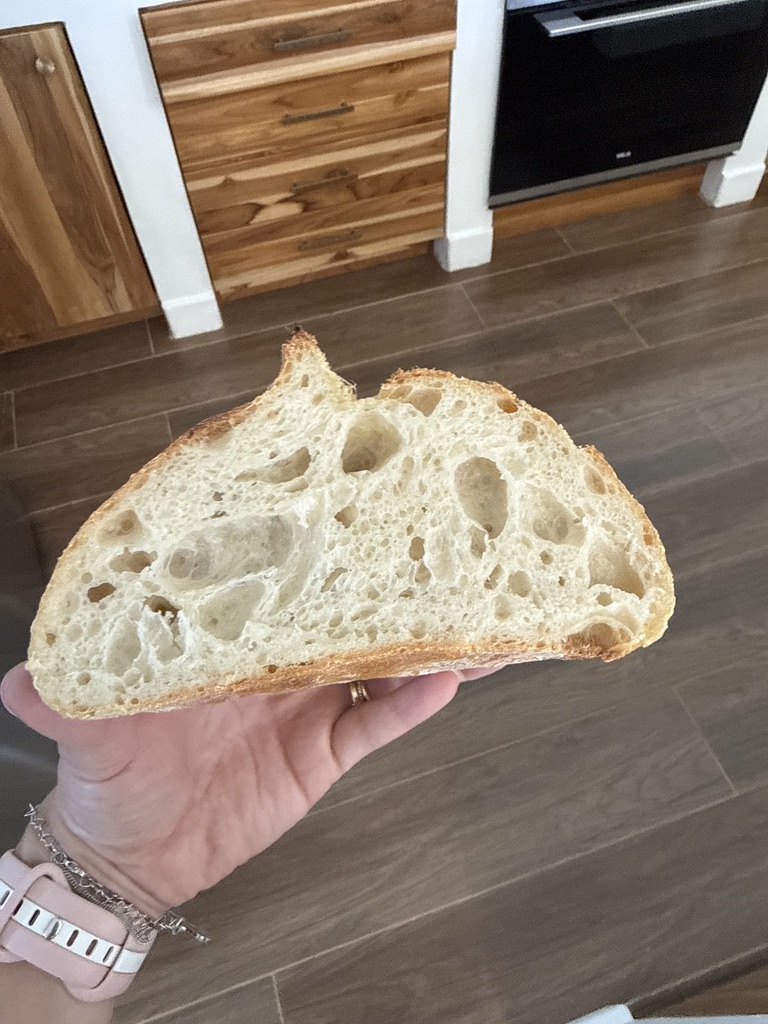
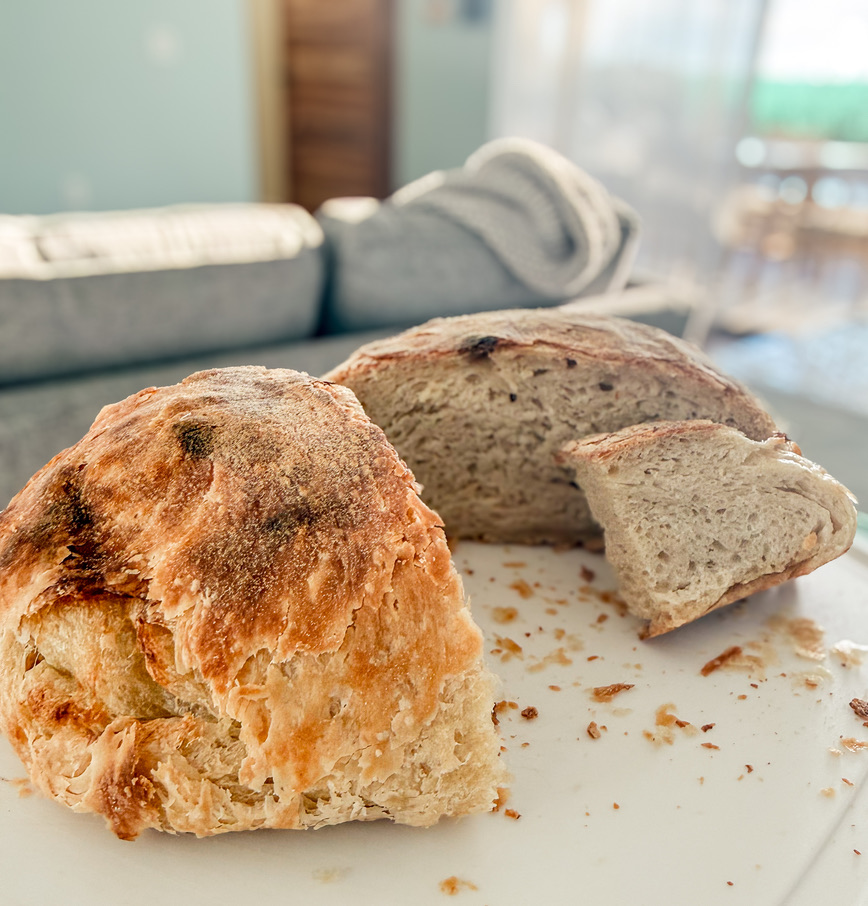
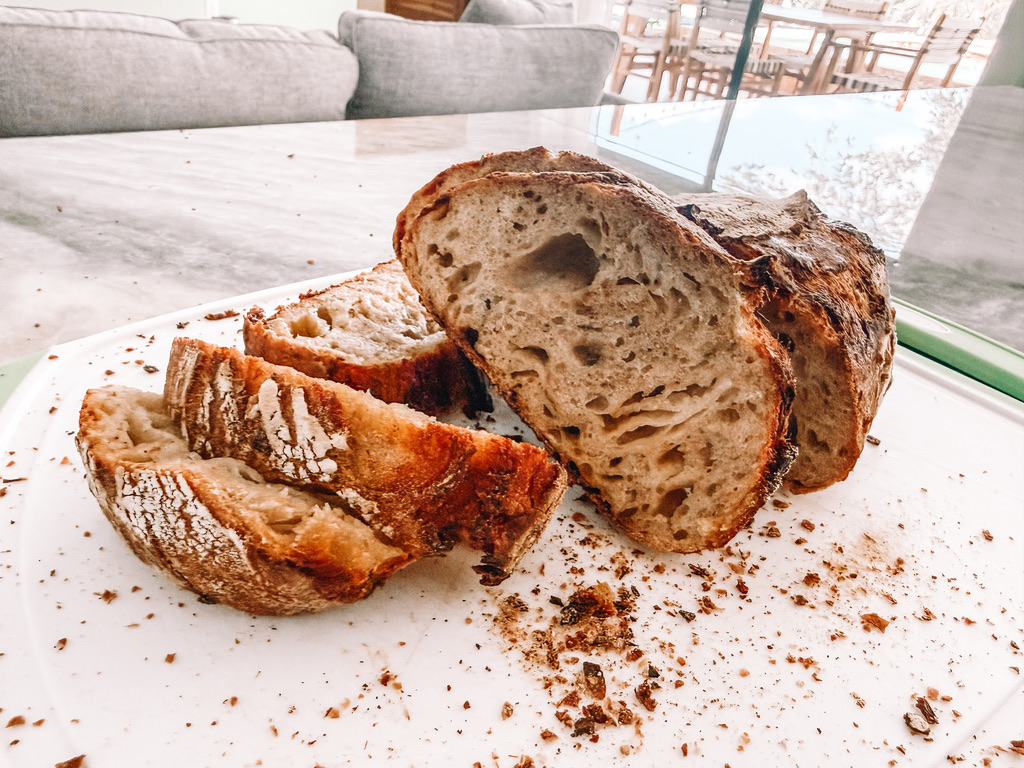
Swipe or use the arrows to explore. Baked and photographed in our kitchen.